VP Racing Fluid Control System: Precision Trackside Fueling
The VP Racing Trigger Hose is a dedicated fluid control attachment engineered to replace standard open pour spouts on high-capacity motorsport containers. Pouring racing fuel out of a heavy utility can without an integrated flow stop is an exercise in frustration that frequently ends with splashback, ruined liveries, and hazardous garage vapors. This system integrates…
10 min read
As Amazon Associates, we earn from qualifying purchases. This means we may receive a small commission at no extra cost to you if you click through and make a purchase.
The VP Racing Trigger Hose is a dedicated fluid control attachment engineered to replace standard open pour spouts on high-capacity motorsport containers. Pouring racing fuel out of a heavy utility can without an integrated flow stop is an exercise in frustration that frequently ends with splashback, ruined liveries, and hazardous garage vapors. This system integrates an on-demand trigger mechanism directly into the pouring assembly, allowing operators to pick up a container, invert it into position, and squeeze to initiate fluid transfer only when the spout is seated cleanly inside the filler neck. As a purpose-built trackside accessory, its one-line verdict is clear: it turns cumbersome utility cans into controllable, zero-spill refueling tools that significantly elevate paddock safety.
This trigger attachment primarily suits track day drivers, kart racers, motorcycle riders, and paddock pit crews who regularly haul fuel in compatible five-gallon or 5.5-gallon containers and demand clean, fast, repeatable fluid transfers. Anyone tired of managing heavy sloshing fuel jugs while trying to thread a standard plastic nozzle into a recessed fuel filler will immediately appreciate the mechanical cutoff. Conversely, casual drivers who rely strictly on retail gas station pumps, owners of small garden utility jugs with narrow non-standard spouts, and technicians seeking automatic electric fluid pumps should look elsewhere, as this remains a gravity-fed manual attachment designed explicitly for motorsport cans.
Flow Control Valve Mechanics and Spill Prevention
Refueling race machinery between sessions demands precision, especially when handling volatile fuels around hot brakes and high-temperature exhaust components. The primary engineering accomplishment of the vp racing trigger fluid control system lies in relocating fluid release from the container’s angle of tilt to a dedicated mechanical valve. In a standard setup, fuel begins rushing out the instant the jug angles past horizontal, often leading to misjudged alignment and overflowing filler cups. By contrast, the vp 33320 flow control valve seals the fluid passage until an operator physically depresses the hand lever, granting absolute timing over every ounce of fluid transferred.
This tactile flow cutoff functions much like the physical throw mechanics found on enthusiast hardware like the logitech g rs shifter, where positive mechanical engagement guarantees deliberate action rather than accidental input. When refueling high-revving equipment, you can guide the nozzle fully past the restrictor plate before pressing the trigger, ensuring that the initial fluid rush is entirely contained within the fuel tank neck. Releasing the trigger instantly arrests flow, which prevents the annoying burp and glug cavitation that normally splatters fluid back across your hands and the vehicle’s paint.
For racing paddocks where time between track heats is scarce, eliminating post-refuel cleanups makes a substantial difference. Traditional spouts require operators to rapidly yank an inverted 35-pound can upward the moment liquid approaches the rim, almost guaranteeing residual fuel drips across the bodywork. The vp fuel jug trigger system sidesteps this dynamic completely by letting gravity hold the fluid head pressure while the spring-loaded internal seal cuts off the stream cleanly, making the no spill trigger hose attachment an essential upgrade for maintaining a clean and safe garage space.
Build Quality and Material Specifications
Fluid transfer equipment in a motorsport paddock experiences severe duty cycles, enduring direct exposure to high-octane fuels, thermal shifts, and occasional drops onto concrete. The vp racing trigger specs indicate a construction built around plastic polymer with a nominal wall thickness of 0.25 inches, providing robust rigidity that resists deformation under pressure. At 9.12 ounces, the assembly remains lightweight enough to avoid adding awkward top-heaviness to an already cumbersome five-gallon container, yet dense enough to handle repetitive mechanical compression from the hand trigger.
The manufacturer listing notes reinforced plastic and rubber elements within the internal valving assembly, designed to maintain seal integrity across continuous cycles. However, prospective buyers should take note of a documentation inconsistency within the manufacturer data: the technical specification table lists dimensions of 6.75 inches in length by 0.75 inches in width, whereas the listing bullet points mention a 20-inch reach and a value two-pack. While the physical valve housing itself matches the compact dimensions recorded by manufacturer Plastic Product Formers, the actual reach provides sufficient clearance for standard automotive and powersports filler necks.
Maintaining this assembly requires basic preventative care, particularly regarding thread engagement. Because the collar and main housing rely on plastic threading, users must take care to align the spout squarely onto jug bungs to prevent cross-threading. When seated properly, the reinforced quarter-inch wall thickness withstands the rotational torque needed to compress the internal gasket, ensuring no fuel seeps past the interface during inverted dispensing.
Compatibility and Jug Thread Fitment
A flow valve is only as dependable as its mechanical seal at the container interface. The vp racing trigger hose for motorsport jugs is engineered to mate directly with standard five-gallon and 5.5-gallon utility containers, including official VP Racing utility jugs. Because motorsport fuel jugs utilize wide, coarse-threaded openings compared to standard consumer lawnmower cans, this spout features the appropriate bung diameter to screw securely into place without requiring makeshift plumbing adapters or aftermarket teflon tape.
Securing this attachment turns an ordinary container into an efficient trackside dispensing station. Much like integrating responsive peripherals like the thrustmaster hotas 5 into a flight sim rig to streamline multi-axis commands, mounting a specialized valve to your fuel can consolidates what used to be a clumsy two-person balancing act into a single-operator task. You no longer need an assistant holding a funnel while you balance thirty pounds of liquid in midair; the nozzle stays positioned inside the tank throat while your hand dictates fluid velocity.
Beyond dedicated race cars, the vp racing gas can spout accommodates a broad spectrum of utility tasks across karts, personal watercraft, dirt bikes, side-by-sides, and off-road utility vehicles. As long as the container matches standard five-gallon motorsport jug thread dimensions, the collar locks tightly against the jug mouth. Buyers operating non-standard retail cans with narrow emission-compliant necks, however, should verify their jug threading prior to purchasing, as the listing does not specify compatibility with non-motorsport container thread patterns.
Trackside Ergonomics and Fueling Efficiency
Lifting a full five-gallon container—which weighs roughly thirty-five pounds depending on fluid density—demands substantial physical effort. When using traditional non-valved spouts, that physical strain is compounded by the mental rush to tip the can and locate the opening before fluid begins dumping out uncontrollably. Over the course of an intense race weekend, fighting awkward fluid canisters leads to fatigue, spilled fuel, and increased safety hazards around hot pit lanes.
The ergonomic layout of the vp trigger hose changes the physical mechanics of refueling. By separating the physical action of inverting the jug from the decision to release the fluid, operators can rest the weight of the inverted container against the vehicle body or roll cage, verify nozzle depth, and only then squeeze the trigger handle. Much like utilizing a track ir 5 system in simulation setups to minimize extraneous neck strain and keep focus centered on the operational task, this trigger system eliminates the erratic body movements required to catch overflowing fuel at the final second.
Furthermore, the flow rate enabled by the trigger valve assembly allows for rapid paddock turnaround. Gravity-fed designs can suffer from vapor lock if the container does not vent properly, but when paired with an open vent plug on a five-gallon jug, the internal porting allows a steady, uninterrupted fluid stream. Squeezing the trigger valve provides near full-bore dispensing, while half-trigger modulation lets operators meter small top-ups into tight capacity tanks without overfilling.
VP Racing Trigger Hose Pros and Cons
Pros
- Instant trigger-actuated flow cutoff
- Durable quarter-inch nominal wall thickness
- Fits standard five-gallon motorsport utility jugs
- Eliminates fuel burping and paddock spills
- Lightweight plastic construction at 9.12 ounces
Cons
- Conflicting listing specs on length and pack count
- Plastic construction requires gentle thread alignment
- Manual gravity pour still requires jug lifting
Check VP Racing Trigger Hose on Amazon
Who Should Buy the VP Racing Trigger Hose
Buy It If
- You regularly transport and dispense fuels using compatible five-gallon or 5.5-gallon motorsport utility jugs.
- You require clean, immediate flow shutoff to prevent overflows onto painted race liveries, hot engine bays, or garage floors.
- You want a durable plastic valve system with a 0.25-inch nominal wall thickness engineered for repeated trackside use.
- You want to eliminate the need for clumsy funnels or two-person jug pouring during timed paddock intervals.
Skip It If
- You only fuel standard passenger vehicles directly at commercial gasoline filling stations.
- You want an automated battery-powered electric fluid pump that transfers fluid without manually inverting a heavy jug.
- Your fuel cans feature proprietary narrow neck threads that do not conform to standard five-gallon motorsport utility jugs.
VP Racing Trigger Hose Alternatives Worth a Look
While the VP Racing Trigger Hose provides specialized gravity flow control for motorsport jugs, several alternative fluid maintenance products address distinct workshop, vehicle maintenance, and educational requirements.
febi bilstein 02615 Hydraulic Fluid
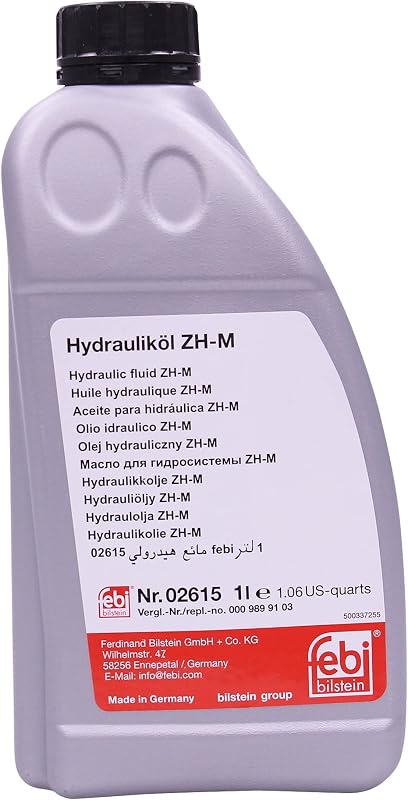
The febi bilstein 02615 Hydraulic Fluid is a specialized vehicle operating fluid engineered specifically for hydropneumatic suspension and active level control systems, sold in a single pack. Unlike a mechanical spout accessory for fuel transfer, this product is formulated to service high-pressure automotive hydraulic lines. Enthusiasts diagnosing chassis leveling faults or servicing European hydropneumatic systems should choose this fluid rather than a refueling hardware attachment.
Fluid Power Systems

The publication Fluid Power Systems serves as an authoritative technical reference detailing the principles, components, and mathematical models governing industrial hydraulic and pneumatic power. While the VP trigger valve operates as a practical fluid dispenser, this resource targets engineering students, mechanics, and technicians seeking foundational knowledge of fluid dynamics and control valve circuitry.
Cleaner Fluid Service

The Cleaner Fluid Service package offers a DIY garage fluid transfer syringe featuring a flexible reach hose engineered to reduce spills during delicate maintenance operations like oil service and differential fluid extraction. Garage mechanics who need precise suction control for small-volume fluid extraction from master cylinders or gearboxes should select this syringe tool instead of a bulk gravity-pour motorsport fuel hose.
Final Verdict
Evaluating whether the investment in this trackside upgrade makes sense centers on convenience, safety, and paddock performance. If you have ever asked yourself is vp racing trigger worth it, the answer depends on how frequently you handle five-gallon fuel containers. By replacing erratic, wide-open pour nozzles with an on-demand squeeze trigger, this accessory successfully mitigates the mess, vapor release, and fuel contamination that plague typical paddock pit stops. Its 0.25-inch wall thickness and sturdy plastic housing deliver the structural resilience required for demanding garage environments.
For enthusiasts who treat their garage and paddock setup with the same precision calibration seen in a dedicated control xbox gears e day setup, having reliable, zero-spill fluid dispensing removes unnecessary friction from race preparation. The VP Racing Trigger Hose proves that simple mechanical valve control can elevate standard utility jugs into dependable, high-efficiency refueling equipment.
FAQ
Which jugs work with the VP Racing Trigger Hose?
The attachment is engineered to fit standard five-gallon and 5.5-gallon motorsport utility jugs, including VP Racing gas cans and utility containers. It utilizes standard coarse jug threading, but the listing does not specify compatibility with narrow-neck consumer retail fuel cans.
How does the trigger valve stop fuel flow?
The system features an internal spring-loaded shutoff mechanism actuated by a hand lever. When you squeeze the lever, the internal passage opens to permit gravity-fed fluid flow; releasing the lever immediately re-seats the valve, cutting off fluid release without having to upright the jug.
What are the exact VP Racing trigger specs and dimensions?
According to the product specifications table, the unit weighs 9.12 ounces, features a nominal wall thickness of 0.25 inches, and measures 6.75 inches in length by 0.75 inches in width. Note that listing bullet points also reference a 20-inch hose length in an alternate package description.
Can the VP Racing Trigger Hose handle fluids other than racing fuel?
The listing states that the attachment is constructed from durable plastic and reinforced rubber or plastic materials suitable for automotive, racing, and utility fluid transfer applications, though chemical compatibility beyond standard motorsport fuels and utility liquids is not explicitly detailed.
Does the package include one or two trigger hoses?
The specification table and item title indicate a single unit count (1 Pack), manufactured under model number 33320. Although the descriptive bullet points mention a two-pack value configuration, the primary specification data confirms this specific listing delivers one trigger hose assembly.
How these reviews are put together
- 1,107reviews published
- 2,271products with a buyer rating
- 2,222products with listed features
- 87brands covered
Every number, star and price on this site is read from the Amazon product listing. We do not run lab tests of our own, so scores here are out of 10, based on listed specifications and buyer feedback, not a verdict from a test bench. Prices change without notice; check the listing before buying.


