DJI Neo 2 Fly More Combo Breakdown: Battery Life, 4K Video, and Flight Experience
The DJI Neo 2 represents an ambitious evolution in ultra-compact aerial imaging, packing automated flight, intelligent tracking, and high-definition recording into an aircraft that rests comfortably in the palm of your hand. Built around a lightweight 151-gram airframe with official C0 certification, this pocket-sized quadcopter combines a 4K camera backed by a 12 MP CMOS…
10 min read
As Amazon Associates, we earn from qualifying purchases. This means we may receive a small commission at no extra cost to you if you click through and make a purchase.
The DJI Neo 2 represents an ambitious evolution in ultra-compact aerial imaging, packing automated flight, intelligent tracking, and high-definition recording into an aircraft that rests comfortably in the palm of your hand. Built around a lightweight 151-gram airframe with official C0 certification, this pocket-sized quadcopter combines a 4K camera backed by a 12 MP CMOS optical sensor with omnidirectional obstacle sensing and enclosed propeller guards. Our research into the package confirms that investing in the multi-battery bundle completely transforms the user experience, turning a short-lived novelty into a capable aerial production tool that reliably captures dynamic sequences without keeping you tethered to a wall outlet.
This multi-pack configuration is aimed squarely at mobile creators, vloggers, and active outdoor hobbyists who require rapid deployment, responsive tracking, and enough reserve power to document multi-stage adventures. The inclusion of three lithium polymer batteries, a dedicated charging hub, and hands-free palm takeoff makes it an outstanding setup for solo content generation. However, high-wind aerial photographers and cinematic pilots who require mechanical three-axis motorized gimbals or direct, unassisted Google Play application downloads should weigh the platform’s specific operating requirements before making a decision.
Flight Endurance and the Multi-Battery Workflow
Battery longevity is the single most critical performance metric for sub-200-gram drones, and assessing the dji neo 2 battery life reveals why the expanded kit is so vital. Compact lithium polymer cells inherently prioritize weight reduction over massive milliamp-hour reserves, which means single-battery flights can feel fleeting when setting up complex framing. While the manufacturer listing does not specify the exact per-battery flight duration in minutes, relying on a standalone battery package frequently forces pilots to rush their compositions. Stepping up to the dji neo 2 fly more combo eliminates this pressure by placing three swappable power cells and a dedicated charging hub directly into your gear bag.
Managing three batteries through the included multi-battery charging hub creates a continuous operational cycle that keeps creators productive during extended outings. While one pack powers the aircraft for automated subject tracking or dynamic aerial sweeps, the remaining units can cycle through sequential charging from a portable power bank via USB. As we have observed across micro-drone workflows such as the neo 2 fly more combo review evaluations, having three distinct power cycles allows pilots to scout angles, test framing, and record multiple takes without succumbing to immediate battery exhaustion anxiety.
The operational flexibility of the dji neo 2 fly more bundle accessories also extends beyond pure runtime. Because the charging hub organizes and manages power distribution across all three lithium polymer packs, you spend less time swapping cables and managing individual charging leads between takes. For fast-moving content creators who hike, skate, or travel light, this integrated power management system ensures that the aircraft is consistently prepared for immediate redeployment.
Camera Capabilities and 4K Imaging Performance
Capturing video on an ultra-light aircraft requires a well-tuned optical pipeline, and the dji neo 2 specs deliver crisp output via an onboard CMOS optical sensor capable of 4K video capture and 12 MP still resolution. Recorded in universal MP4 format, the footage provides high visual clarity and rich color reproduction suitable for immediate social sharing or integration into high-definition editing timelines. The 4K recording fidelity ensures that fine landscape textures, facial features, and background details remain sharply defined, preventing the soft, compressed look common among budget aerial cameras.
For solo storytellers exploring the dji neo 2 for vlogging, the aircraft includes a specialized SelfieShot mode that automates portrait and group framing with a single tap. This eliminates the awkward adjustments often required when aiming a camera overhead, allowing creators to capture polished self-portraits and wide-angle establishing shots effortlessly. The 12 MP still photo output also provides sufficient resolution for digital cropping, giving mobile editors the freedom to create vertical 9:16 cutouts for short-form video platforms without destroying image detail.
Prospective buyers should note that the physical dimensions of the chassis—measuring 6.74 inches long by 5.8 inches wide and 1.59 inches tall—mean the camera operates within a rigid, highly integrated enclosure. The product listing does not specify whether mechanical gimbal stabilization is present on the camera module, which suggests that prospective pilots should rely on the drone’s automated flight paths and stable hovering characteristics to achieve smooth cinematic transitions during dynamic tracking runs.
Flight Automation, ActiveTrack, and Gesture Navigation
Autonomous flight routines are central to the appeal of this aircraft, led by responsive dji neo 2 active track algorithms that lock onto human subjects and maintain framing automatically. Whether you are walking along a mountain trail or jogging through an urban park, the aircraft adjusts its position relative to your movement. This hands-free automation liberates the creator from operating a traditional physical remote control, effectively serving as an autonomous aerial camera operator that tracks your trajectory from above.
Interacting with the drone is streamlined through integrated dji neo 2 gesture control and dji neo 2 palm takeoff routines. Instead of unrolling landing mats or calibrating physical joysticks, users can launch the drone directly from the palm of an outstretched hand, command it to orbit or follow using simple arm gestures, and recall it back to the palm for a gentle landing. For creators navigating wet grass, muddy trails, or rocky terrain where ground takeoffs risk damaging motor bells, this palm-based capability proves invaluable.
Adding another layer of convenience, the platform supports smart wearable integration with the Apple Watch. Users can view a live camera feed right on their wrist, monitor real-time flight status, and use voice control commands to adjust tracking behavior without pulling a smartphone out of their pocket. Unlike immersive first-person flight systems such as the dji avata 360 motion fly more combo that demand full-coverage headsets and specialized motion wands, this setup allows solo videographers to remain entirely unobtrusive and aware of their physical surroundings.
Airframe Safety and Omnidirectional Obstacle Sensing
Operating a drone in close proximity to people and obstacles demands a robust safety architecture, which is anchored here by dji neo 2 obstacle sensing. The aircraft incorporates omnidirectional obstacle detection to actively monitor its immediate environment in all directions during automated flight sequences. When following a subject through complex pathways or executing backward tracking moves, this multi-directional awareness helps the flight controller identify potential hazards and execute corrective maneuvers before a collision occurs.
Physical protection is reinforced by the drone’s structural design, which features full-coverage propeller guards encircling the blades. These guards prevent the spinning propellers from making contact with fingers during palm launches, while shielding the propulsion system against tree branches, walls, and indoor obstacles. At an overall weight of just 151 grams, the drone falls squarely into the ultralight C0 regulatory category, minimizing operational restrictions and legal burdens in many international jurisdictions.
One essential operational factor to consider involves device setup and software installation. Due to platform compatibility issues, the official DJI Fly application has been removed from the Google Play store. Android users must visit the official DJI website to download the latest DJI Fly installation package and the user manual directly. While iOS users face a standard installation, Android owners should be prepared to grant third-party installation permissions on their mobile devices before their initial flight.
DJI Neo 2 Pros and Cons
Pros
- Ultra-lightweight 151-gram airframe with C0 certification
- Three lithium polymer batteries and charging hub included
- Crisp 4K video recording with 12 MP stills
- Omnidirectional obstacle sensing and full propeller guards
- Intuitive palm takeoff, landing, and gesture control
- Live preview and voice tracking via Apple Watch
Cons
- Listing omits specific flight duration minutes per battery
- Android users must manually download app outside Google Play
- Camera module lacks traditional mechanical gimbal specifications
Who Should Buy the DJI Neo 2
Buy It If
- You are a solo creator or vlogger who wants hands-free aerial tracking and immediate palm takeoff without carrying a separate controller.
- You need an ultra-compact, travel-ready aircraft that weighs just 151 grams and meets C0 safety criteria.
- You want the sustained airtime, rapid pack swapping, and charging convenience provided by three lithium polymer batteries and a dedicated hub.
- You use an Apple Watch and value wrist-based camera monitoring and voice-activated flight commands.
Skip It If
- You require mechanical three-axis motorized camera stabilization for heavy-wind coastal cinematography.
- You prefer installing all smartphone applications exclusively through the official Google Play store without manual file downloads.
- You need a long-range commercial inspection drone capable of flying several miles away from the home point.
DJI Neo 2 Alternatives Worth a Look
Shoppers surveying the lightweight drone landscape will encounter a wide variety of hardware architectures, from competitive sub-250g aerial cameras like the fimi mini 3 to simplified recreational training models. Here is how nearby alternative options compare against the main package.
2K HD FPV Drone

The 2K HD FPV Drone is a beginner-oriented aircraft designed for adult and teenage hobbyists, featuring altitude hold, one-key takeoff and landing, three distinct speed modes, and headless mode. It ships with two flight batteries and a foldable frame engineered for portability and casual indoor or outdoor flying.
This model is a sensible choice for entry-level hobbyists who want an inexpensive trainer to practice spatial orientation and manual maneuvering before operating a premium 4K smart drone. However, content creators seeking 4K video resolution, omnidirectional sensing, and automated subject tracking will find the Neo 2 vastly superior.
3-Axis Gimbal

The 3-Axis Gimbal listing highlights the DJI Mini 4K, an intelligent aerial platform weighing under 249 grams that features a motorized 3-axis mechanical gimbal, up to 10 kilometers of video transmission, auto return, wind resistance, and a 31-minute flight time.
Videographers who prioritize traditional long-distance cinematic flight, rock-steady mechanical stabilization in breezy conditions, and manual joystick piloting should select this Mini 4K configuration over the Neo 2’s gesture-focused, close-range vlogging platform.
Mini Drone with 2 Batteries
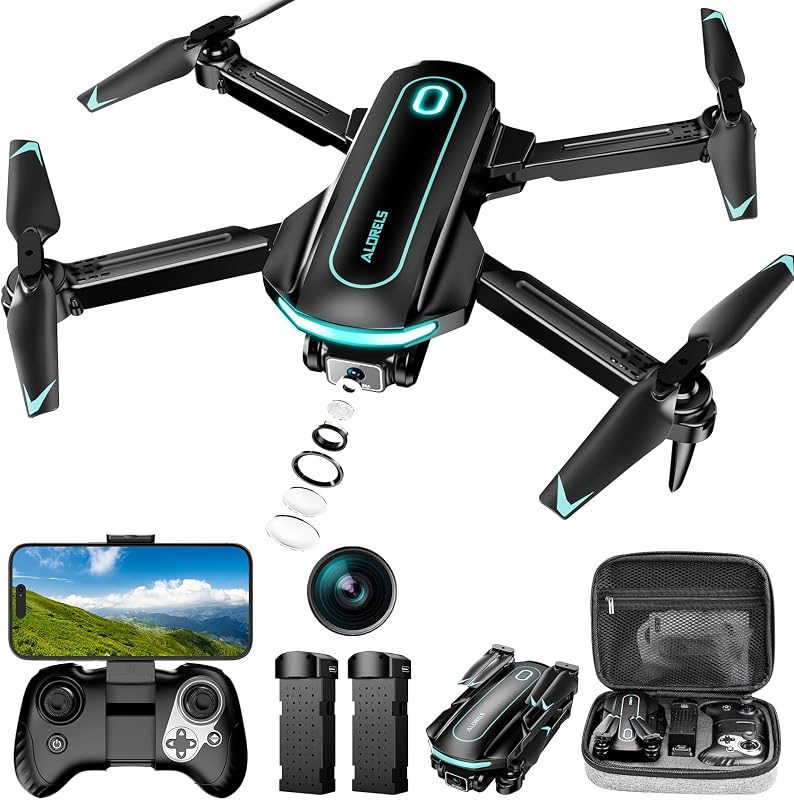
The Mini Drone with 2 Batteries is a compact, foldable recreational aircraft bundled with two batteries and a dedicated carrying case. It offers 1080P HD FPV capture, trajectory flight programming, gravity control, one-key takeoff, and 360-degree aerial stunt flips.
This quadcopter is best suited as an introductory gift for younger pilots and casual tech enthusiasts who want fun aerobatic features like flips and motion controls on a budget. It lacks the 4K recording, omnidirectional obstacle sensors, and automated creator tracking found on the Neo 2.
Final Verdict
When asking is dji neo 2 worth it, the answer depends almost entirely on how you intend to use your aerial camera. As a standalone unit, a single micro-battery can limit creative experimentation during busy travel days. However, the triple-battery combo eliminates this operational bottleneck, equipping you with the sustained airtime, charging organization, and peace of mind necessary to capture high-resolution 4K b-roll across full afternoons of shooting.
By blending an ultra-lightweight 151-gram airframe with omnidirectional obstacle sensing, enclosed propeller protection, hands-free palm operation, and seamless Apple Watch integration, this package establishes a new benchmark for accessible personal videography. If you want a frictionless, intelligent aerial camera that records crisp 4K footage without weighing down your backpack, the dji neo 2 fly more combo stands out as an exceptionally capable production bundle.
FAQ
Does the DJI Neo 2 Fly More Combo include extra flight batteries?
Yes, the bundle includes three lithium polymer batteries along with a dedicated charging hub, allowing you to cycle through multiple flight sessions and recharge packs efficiently while on the move.
How do you launch and land the DJI Neo 2?
The aircraft supports intuitive palm takeoff and landing alongside gesture controls, enabling users to launch the drone directly from an open hand and recall it without needing a traditional remote controller or flat ground runway.
Can you monitor video from an Apple Watch with the DJI Neo 2?
Yes, the system allows Apple Watch users to check real-time flight status, view the live camera feed, and issue voice control prompts to adjust tracking behavior directly from their wrist.
Where can Android users download the DJI Fly app?
Due to platform compatibility issues, the DJI Fly app is not available on Google Play. Android users must visit the official DJI website to download the latest application installation file and user manual directly to their smartphone.
Does the DJI Neo 2 require registration based on its weight?
Weighing just 151 grams, the aircraft is C0 certified and sits well below the standard 250-gram regulatory threshold, exempting it from many of the stricter registration and operational restrictions applied to heavier drones in numerous jurisdictions.
What safety features protect the DJI Neo 2 during flight?
The drone is equipped with omnidirectional obstacle sensing to detect surrounding hazards in real time, along with full-coverage propeller guards that protect the blades during close-proximity tracking and palm landings.
How these reviews are put together
- 1,107reviews published
- 2,271products with a buyer rating
- 2,222products with listed features
- 87brands covered
Every number, star and price on this site is read from the Amazon product listing. We do not run lab tests of our own, so scores here are out of 10, based on listed specifications and buyer feedback, not a verdict from a test bench. Prices change without notice; check the listing before buying.


