Kodak Mini Shot 3 Retro Tested: A Practical Hybrid Instant Printer
The Kodak Mini Shot 3 Retro stands out in the instant photography space by pairing an integrated digital capture system with a portable Bluetooth photo printer in a single chassis. Designed to produce square 3×3-inch physical prints, this hybrid model addresses the single biggest frustration of traditional instant photography: accidental bad exposures that burn through…
10 min read
As Amazon Associates, we earn from qualifying purchases. This means we may receive a small commission at no extra cost to you if you click through and make a purchase.
The Kodak Mini Shot 3 Retro stands out in the instant photography space by pairing an integrated digital capture system with a portable Bluetooth photo printer in a single chassis. Designed to produce square 3×3-inch physical prints, this hybrid model addresses the single biggest frustration of traditional instant photography: accidental bad exposures that burn through expensive sheets. By allowing users to shoot spontaneously or route high-resolution pictures directly from a mobile device, it functions as both an instant shooter and a wireless desktop printer in one portable footprint.
This hybrid device best serves casual memory-keepers, scrapbooking hobbyists, and party hosts who value durable, laminated physical prints without having to carry multiple pieces of gear. Because it pairs digital convenience with thermal dye-sublimation print quality, it is an accessible match for beginners and family gatherings. However, purists seeking genuine analog chemical film grain or experienced creators who demand raw file capture, manual exposure rings, and instantaneous two-second print ejection will want to consider dedicated instant cameras or higher-end standalone printers instead.
Print Quality and 4PASS Dye Sublimation Performance
At the heart of this hybrid instant unit is proprietary thermal transfer technology. Rather than relying on traditional instant silver halide emulsion or inkless chemistry, the device uses Kodak 4PASS dye sublimation printing. This process transfers yellow, magenta, and cyan color ribbons in successive passes before sealing the entire image with a clear protective laminate. Because the image is built using genuine dye layers rather than micro-droplets or chemical development rollers, transitions between skin tones and backgrounds appear uniform without visible halftone dot patterns.
The protective fourth layer provides a practical advantage over standard instant photos. The lamination seals the dye beneath an impermeable clear coat that resists water droplets, greasy fingerprints, and ambient fading over time. When handing fresh prints to guests or sliding them into scrapbooks, there is zero risk of smearing damp emulsion. The 3×3-inch square aspect ratio maximizes image area compared to smaller rectangular film types, giving portraits and landscape frames a balanced, classic composition.
The trade-off for this layer-by-layer sublimation is execution speed. The printing mechanism takes approximately 55 seconds to complete the full four-pass cycle. During this time, the photo paper moves back and forth through the front slot as each primary color is applied. While this visual process is entertaining to watch, it is notably slower than mechanical analog cameras that pop out a sheet in two seconds to develop in your pocket.
Camera Optics, Sensor Quality, and Built-In Controls
From an optical standpoint, the Kodak Mini Shot 3 Retro functions as an accessible digital point-and-shoot. The device features a 10 MP effective still resolution sensor paired with an automated exposure system. Its electronic shutter operates up to a maximum speed of 1/2000 seconds, and the light sensitivity spans an ISO range of 100 to 6400. In day-to-day use, these Kodak Mini Shot 3 Retro specs allow the camera to handle bright outdoor sunlight or standard indoor party lighting without requiring manual exposure adjustments.
Framing shots is handled through the rear 3-inch LCD screen viewfinder rather than an optical peephole. Because the display shows an electronic preview of the scene in a true 1:1 square aspect ratio, it eliminates the parallax errors common in entry-level analog instant cameras. Having an LCD screen also enables essential digital features such as a 5-second self-timer for group shots, as well as dedicated Auto and Scene shooting modes. The white retro-inspired chassis features straightforward top and rear pushbuttons that keep operation simple for children and casual party guests.
While the 10 MP sensor handles casual compositions and family memories well, it is geared toward standard small-format physical prints rather than high-end digital archiving. The listing specifies the output file format as a physical print, focusing on on-the-spot physical reproduction. The automated system aims for quick, usable prints, meaning shooting in high-contrast or dimly lit rooms relies heavily on the camera’s internal automatic processing algorithms.
Mobile Connectivity and the Kodak Photo Printer App
Where this unit establishes an advantage over standalone instant cameras is its ability to operate as an external smartphone printer. Equipped with integrated Bluetooth connectivity, the hardware pairs with compatible iOS and Android phones through the official KODAK Photo Printer app. This feature transforms the unit into a true Kodak 2-in-1 instant camera printer, bridging the gap between social media photography and physical tangible media.
The mobile application allows users to access their phone’s photo library, crop compositions into the native 3×3-inch square layout, and adjust color parameters before sending jobs to print. Testing Kodak Photo Printer app performance reveals that printing existing smartphone images often yields higher visual fidelity than the built-in 10 MP camera sensor can capture on its own. Modern smartphone optics, advanced image processing, and dedicated low-light camera modes feed cleaner files into the 4PASS printer mechanism.
The companion app also adds creative borders, stickers, and filters before outputting images. Because the printing connection is managed entirely over Bluetooth, you do not need an active home Wi-Fi network to initiate print tasks. This local pairing makes it just as easy to print photos sitting at an outdoor picnic table as it is in a living room.
Party Utility, Travel Ergonomics, and Bundle Value
Portability is a defining feature of the design. Engineered with a compact form factor that fits into a hand, tote bag, or jacket pocket, the unit is suited for on-the-go shooting. The package arrives as a complete starter kit: along with the camera, it includes a USB Type-C charging cable, a safety wrist strap, a user guide, 4 cartridges, and 38 sheets of photo paper. Having 38 sheets included out of the box eliminates the immediate need to source extra cartridges before your first outing.
Choosing the Kodak Mini Shot for parties offers practical benefits over traditional film cameras. Because party guests can review their image on the 3-inch LCD before committing it to paper, the host avoids wasted sheets spent on closed eyes or awkward framing. Alternatively, guests can connect via Bluetooth to print their favorite selfies taken on their own phones throughout the night, acting as a mini photo booth station on a tabletop.
The physical prints leave the camera completely dry, which is helpful during busy social gatherings. Drinks, spills, or messy hands will not ruin the finished surface due to the laminated clear coat. The square 3×3 footprint also fits cleanly onto memory boards, refrigerator displays, and scrapbook entries without requiring scissors or corner trims.
Kodak Mini Shot 3 vs Instax and Competing Instant Formats
When comparing the Kodak Mini Shot 3 vs Instax ecosystems, the fundamental difference lies in print mechanics. Popular chemical formats use exposure lamps or rollers over emulsion packets, creating an authentic analog aesthetic that develops chemically over several minutes. In contrast, Kodak’s 4PASS dye sublimation technology produces sharper line definition, balanced color saturation, and immediate scratch resistance at the cost of the vintage, softer emulsion look.
Another major point of differentiation is operating flexibility. Traditional analog shooters lock you into whatever you aim at, with zero second chances. Hybrid models like the camara Instax Evo and the Mini Shot 3 Retro solve this by acting as digital gatekeepers. You capture digitally first, print second, and connect to mobile devices when you want higher-resolution prints. For users who prefer miniature novelty forms, curious alternatives like the Kodak Charmera keychain camera provide extreme pocketability, but they lack the immediate utility of a full 3×3-inch dye-sublimation print engine.
Kodak Mini Shot 3 Retro Pros and Cons
Pros
- True 2-in-1 camera and smartphone photo printer
- Laminated 4PASS prints resist fingerprints and water
- Digital 3-inch LCD screen prevents wasted paper
- Generous 38-sheet paper and 4-cartridge bundle
- Square 3×3 format perfect for scrapbooks
Cons
- Print process takes roughly 55 seconds per photo
- Modest 10 MP sensor in low-light environments
- Listing does not specify internal image file storage
Check Kodak Mini Shot 3 Retro on Amazon
Who Should Buy the Kodak Mini Shot 3 Retro
Buy It If
- You want a flexible 2-in-1 device that captures spontaneous snapshots and wirelessly prints photos from your smartphone.
- You prefer durable, laminated physical prints that resist water, smudges, and fingerprints right out of the device.
- You want an integrated 3-inch LCD viewfinder to confirm framing and avoid wasting photo sheets on blinks or blur.
- You love the balanced, creative look of 3×3-inch square photos for scrapbooking, guestbooks, or wall collages.
Skip It If
- You crave authentic analog chemical film with soft vintage colors, unpredictable grain, and rapid mechanical ejection.
- You need an ultra-fast snapshot workflow, as the 4PASS process requires around 55 seconds per picture.
- You want advanced manual camera controls, high-end optical zoom, or dedicated RAW image capture.
Kodak Mini Shot 3 Retro Alternatives Worth a Look
If you are exploring the instant camera market, several competing options offer different combinations of chemical film aesthetics, automatic operation, and bundle accessories.
Fujifilm Instax Mini 41 Instant

The Fujifilm Instax Mini 41 Instant comes bundled with 40 sheets of classic film, a vintage-style carrying case, and a 64-pocket photo album. Choose this model if you want an all-in-one accessories bundle built around traditional chemical film rather than digital dye-sublimation prints.
Polaroid Now 3rd Generation I-Type
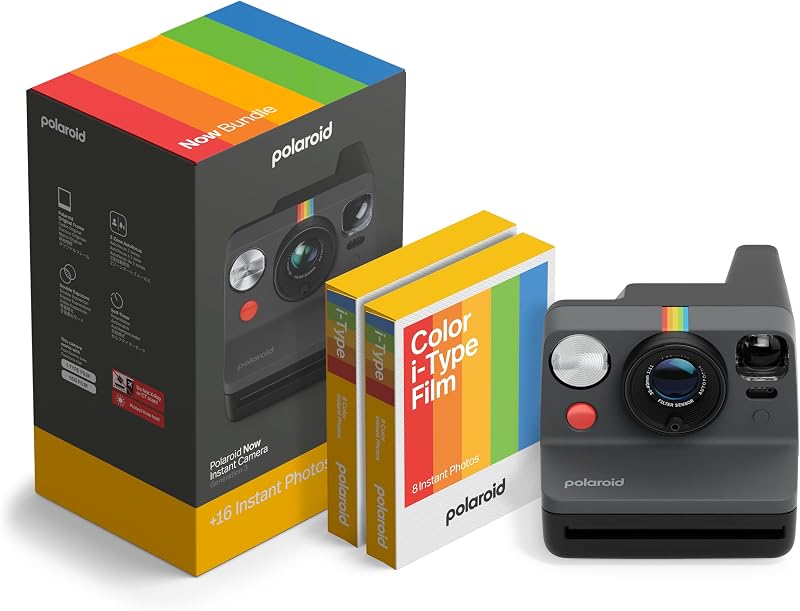
The Polaroid Now 3rd Generation I-Type includes a 16-color-photo film pack and delivers the classic, large-format Polaroid chemical look. It is the better pick for traditionalists who want iconic analog square frames and authentic film development chemistry.
Automatic exposure with selfie mirror

The Automatic exposure with selfie mirror Instax Mini 12 camera provides built-in parallax correction and simplified auto-exposure in a colorful chassis. Pick this alternative if you want an effortless, purely analog instant camera designed specifically for close-up party portraits and selfies without digital menus.
Final Verdict
This Kodak Mini Shot 3 Retro review demonstrates that hybrid convenience changes the economics and enjoyment of instant picture-taking. By merging an accessible 10 MP digital camera with an onboard 4PASS dye-sublimation printer, Kodak solves the tension between physical photo nostalgia and digital accuracy. You get the tactile joy of square 3×3-inch prints without the constant fear of burning film on ruined shots, while the Bluetooth mobile connectivity ensures that your best smartphone memories can also make it onto your wall.
So, is Kodak Mini Shot worth it? For scrapbooking enthusiasts, event planners, and families wanting a fun, durable hybrid printer, the answer is yes. While its 55-second print cycle requires a brief wait and its internal sensor is geared purely for casual snapshots, the water-resistant print quality, bundled 38-sheet supply, and smartphone versatility make it a practical, entertaining addition to any social event.
FAQ
How does the 4PASS dye sublimation printing process work on the Kodak Mini Shot 3 Retro?
The 4PASS system uses thermal heat transfer to apply yellow, magenta, and cyan color layers onto photo paper in sequence. A fourth and final pass applies a clear protective lamination layer that seals the picture against moisture, fingerprints, and UV fading.
Can you print pictures taken directly from your smartphone?
Yes. The camera features built-in Bluetooth connectivity that pairs with the free KODAK Photo Printer app on compatible iOS and Android devices, allowing you to crop, edit, and print images stored on your smartphone roll.
What comes inside the Kodak Mini Shot 3 Retro bundle box?
The package includes the Kodak Mini Shot 3 Retro camera, 4 printing cartridges, 38 sheets of photo paper, a USB Type-C charging cable, a safety wrist strap, and a user guide to start shooting right away.
How long does it take for the camera to print a single photo?
Each 3×3-inch print takes approximately 55 seconds to complete. The paper passes back and forth through the front slot four times to apply the three primary color dyes and the clear lamination overcoat.
Does the camera store digital photos internally or on a memory card?
The listing does not specify internal memory storage or an SD card slot, listing the primary file format as a physical print. Its primary functions are immediate on-device physical printing and printing directly from connected smartphones.
How these reviews are put together
- 540reviews published
- 2,271products with a buyer rating
- 2,222products with listed features
- 87brands covered
Every number, star and price on this site is read from the Amazon product listing. We do not run lab tests of our own, so scores here are out of 10, based on listed specifications and buyer feedback, not a verdict from a test bench. Prices change without notice; check the listing before buying.


