Satechi Dual Dock Stand: High-Speed NVMe Meets Multi-Display Desk Power
The Satechi Dual Dock Stand is a dedicated laptop docking station crafted from aluminum that elevates your computer while integrating an internal M.2 NVMe solid-state drive bay, comprehensive USB ports, and triple video connectivity into an under-laptop wedge form factor. In this satechi dual dock stand review, the verdict is definitive: it is an exceptional…
By Eric Monroe
9 min read
As Amazon Associates, we earn from qualifying purchases. This means we may receive a small commission at no extra cost to you if you click through and make a purchase.
The Satechi Dual Dock Stand is a dedicated laptop docking station crafted from aluminum that elevates your computer while integrating an internal M.2 NVMe solid-state drive bay, comprehensive USB ports, and triple video connectivity into an under-laptop wedge form factor. In this satechi dual dock stand review, the verdict is definitive: it is an exceptional space-saving peripheral hub that clears cable mess and expands workstation performance, provided your machine can accommodate its dual-connector requirement.
This dock is an ideal match for creative media professionals, desktop power users, and gamers looking for a satechi dual dock stand for gaming setup that unites fast external storage and multi-screen video with a raised typing platform. Conversely, laptop users who only possess a single USB-C port, travel frequently and need a pocket-sized dongle, or depend heavily on integrated SD card slots and analog headphone jacks will want to consider alternative docking designs.
Integrated NVMe Storage and Data Transfer Capabilities
The defining feature of this docking station is the built-in satechi dual dock stand nvme enclosure concealed within the aluminum stand. For power users and gaming enthusiasts, desktop storage has long meant balancing separate external hard drives, dangling SSD enclosures, and excess cables across the desk surface. By embedding an internal M.2 drive compartment directly beneath the laptop chassis, this hub turns external high-speed storage into an invisible component of your everyday workspace.
When assessing the satechi dock stand ssd speed, the dock leverages its multi-lane connection to deliver high-bandwidth performance across its data infrastructure. The physical interface includes both 10Gbps and 5Gbps USB-C data channels alongside matching 10Gbps and 5Gbps USB-A ports. While the listing does not specify the exact maximum read and write speeds or maximum gigabyte capacity for the internal NVMe drive, the 10Gbps data architecture is well suited for rapid file transfers, 4K media playback, editing caches, and expansive PC game libraries that demand responsive read times.
Heat dissipation is another critical consideration for sustained drive access during large backup passes or extended gaming sessions. Because the enclosure is built into the solid aluminum housing, the chassis itself functions as a passive heat sink, drawing thermal energy away from the internal drive. If you are comparing stationary desks with dedicated bays like the acasis mac mini m4 dock, integrated enclosures consistently provide a cleaner, more reliable storage configuration than loose external dongles.
Display Connectivity and Video Routing
Workstation versatility heavily relies on monitor connections, and the video layout on this unit is built to support expansive visual configurations. The rear panel incorporates three display jacks: one DisplayPort connector and two HDMI ports. Having both connection standards on the same hub gives users the freedom to pair modern gaming monitors that prefer DisplayPort with secondary production screens or living-room displays that utilize standard HDMI cabling.
Achieving a satechi dual dock stand dual monitor configuration depends directly on your host operating system and GPU video stream handling. On Windows machines, native multi-stream transport allows the dock to distribute independent desktop feeds across multiple displays for enhanced multitasking, timeline editing, or immersive gaming. The listing confirms support for both Apple MacBooks and Windows computers, giving cross-platform users a unified piece of desk hardware to anchor their screen setup.
Prospective buyers evaluating a satechi dual dock stand macbook setup should remain mindful of macOS external display limits. Standard macOS treats secondary monitor streams over traditional USB hub pathways as mirrored content unless discrete hardware channels or dual direct host inputs are routed. Because this unit incorporates two distinct USB-C host connectors, it routes bandwidth through separate physical channels, though the listing does not specify maximum refresh rates or display resolutions such as 4K or 8K thresholds. Checking your host computer GPU video output limits before setting up triple displays is always recommended.
Dual USB-C Connection Architecture and Setup Mechanics
The connection bridge between the computer and the hub is where this model differs from conventional one-wire docks. The satechi dual dock station setup relies on a specialized detachable dual USB-C connector system. According to the manufacturer specifications, both connectors must be connected simultaneously for the dock to function properly. This dual-cable interface ensures adequate bus bandwidth across the NVMe enclosure, triple video outputs, high-speed data ports, and network controller.
For MacBook owners, the dual-prong connector is shaped to align naturally with the dual side-by-side Thunderbolt and USB-C ports on Apple notebooks. This creates a clean, flush aesthetic that looks like an intentional extension of the laptop. However, Satechi also engineered the connectors to separate, allowing them to bridge variable port gaps found on non-MacBook machines. This split design broadens compatibility across diverse Windows laptops, allowing them to hook up both lines even when ports are spaced further apart.
While this dual-line setup ensures stable throughput for all connected gear, it does require a host machine that features two open USB-C ports. Users coming from compact, single-cable Thunderbolt solutions like the satechi thunderbolt 4 slim hub pro will need to ensure they can spare two physical ports on their machine to power this docking stand.
Port Selection, Networking, and Ergonomic Form Factor
Beyond video and storage, the satechi dual dock stand specs offer a balanced spread of peripheral connections designed for everyday desk productivity. The hub features two USB-A ports (one rated at 10Gbps and one at 5Gbps) and two USB-C data ports (one rated at 10Gbps and one at 5Gbps). This deliberate tiering lets you place high-demand hardware—such as external capture cards or secondary fast SSDs—on the 10Gbps channels, while assigning standard keyboards, mice, or gamepads to the 5Gbps ports.
For online gaming, streaming, and large network file backups, wireless connections often introduce packet drops or latency spikes. The inclusion of a dedicated 1 Gigabit Ethernet port provides a reliable hardwired local area network link that ensures consistent ping rates and smooth data flow. Gamers playing competitive multiplayer titles will appreciate having an uninterrupted, wired network path right at their desk base.
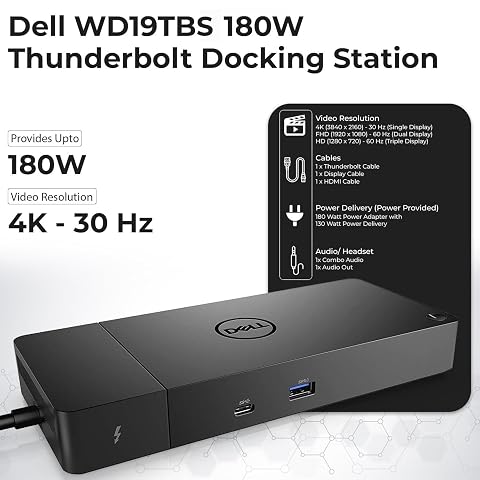
The physical structure of the dock also delivers an immediate ergonomic improvement. Built from high-quality aluminum with a space-gray and black finish, the wedge-shaped stand tucks directly beneath the rear of your laptop. This elevates the keyboard to a more natural wrist angle for extended typing sessions while creating an open air gap underneath the machine to encourage passive cooling. Unlike bulky rectangular desktop units such as the wd19tbs docking station, this dock doubles as a dedicated workstation riser that preserves valuable desktop surface area. Note that the listing does not specify integrated SD/microSD card slots or an analog 3.5mm audio jack, so audio interfaces and camera memory cards will require standard USB adapters.
Satechi Dual Dock Stand Pros and Cons
Pros
- Integrated internal NVMe SSD enclosure
- Three video outputs with DisplayPort and dual HDMI
- High-speed 10Gbps and 5Gbps USB-A and USB-C ports
- Dedicated 1 Gigabit Ethernet port
- Aluminum riser stand improves typing angle and airflow
- Detachable dual USB-C connectors fit MacBooks and Windows
Cons
- Requires two simultaneous USB-C host connections
- Listing does not specify SD card reader support
- Listing does not specify 3.5mm audio jack inclusion
Check Satechi Dual Dock Stand on Amazon
Who Should Buy the Satechi Dual Dock Stand
Buy It If
- You want an integrated M.2 NVMe SSD enclosure built directly into your desktop docking hub to eliminate loose external drives.
- You use an Apple MacBook or Windows notebook with two USB-C ports and prefer an ergonomic aluminum riser that elevates your typing angle.
- You need a versatile video output array featuring both DisplayPort and dual HDMI connections for your monitors.
- You require a dedicated 1Gbps Gigabit Ethernet jack alongside a mix of 10Gbps and 5Gbps USB-A and USB-C ports.
Skip It If
- Your laptop has only one USB-C port, as both connectors must be plugged in simultaneously for the dock to function properly.
- Your daily creative workflow demands built-in SD or microSD memory card slots directly on the docking unit.
- You require an integrated 3.5mm analog audio headset port on your dock for desktop speakers or wired microphones.
Satechi Dual Dock Stand Alternatives Worth a Look
If your hardware setup or specific port requirements do not match this dual-cable stand, several capable alternative docking stations deliver different port assortments and connection designs.
Dual HDMI USB C Dock

The Dual HDMI USB C Dock is an 8-in-1 USB-C hub offering dual 4K HDMI monitor connections, 1Gbps Ethernet, 85W maximum Power Delivery pass-through, and dedicated SD/TF memory card readers. Users who prioritize single-cable operation for machines like Dell XPS laptops and require direct memory card slots without the need for an internal NVMe enclosure will find this compact hub a better match.
Universal Dock

The Universal Dock is an enterprise-oriented Dell WD25 docking station built for serious office and commercial productivity, delivering 100W Power Delivery charging and support for up to quad display setups via DisplayPort and HDMI. Shoppers who need heavy device charging and multi-monitor quad-display support across standard business notebooks should choose this over the Satechi stand.
for Windows and Mac

The for Windows and Mac is a driver-based Plugable UD-3900 universal dock featuring dual HDMI outputs, Gigabit Ethernet, an analog audio jack, and six legacy USB ports. Buyers working with older laptops that lack modern high-speed dual USB-C ports, or those who need an analog audio jack and numerous USB-A connections, will benefit from this driver-driven legacy dock.
Final Verdict
So, is satechi dual dock stand worth it for your desktop? If you are a MacBook or Windows notebook user seeking to turn your laptop into a high-powered workstation, the value proposition here is outstanding. The integration of an internal NVMe SSD enclosure within a sturdy aluminum riser solves two common workstation headaches simultaneously: desktop clutter and thermal management. Instead of balancing external drive enclosures, port hubs, and separate laptop stands, this unit centralizes storage, networking, and multi-display video into one sleek base.
The trade-offs are specific but clear. You must have two operational USB-C ports on your computer to run the dock, and those who regularly offload photography via SD cards or plug in 3.5mm headsets will need to bring external adapters. However, for users whose primary objectives are rapid file access, dual monitor routing, Gigabit networking, and an organized desk aesthetic, the Satechi Dual Dock Stand provides an exceptionally well-engineered desktop anchor.
FAQ
Does the Satechi Dual Dock Stand include an internal SSD?
The docking station includes an integrated NVMe SSD enclosure bay, but the listing does not specify that a solid-state drive is pre-installed. Users supply and install their own compatible M.2 NVMe drive into the enclosure.
Can the Satechi Dual Dock Stand be used with Windows laptops?
Yes. The dock is designed for both Apple MacBooks and Windows laptops. The included dual USB-C connectors can be separated to accommodate the specific port spacing on Windows computers, provided both connectors are attached to active ports on the host machine.
Why does the Satechi Dual Dock Stand require two USB-C connections?
Both connectors must be plugged in simultaneously to deliver sufficient bandwidth across the internal NVMe enclosure, triple video outputs, Gigabit Ethernet controller, and four high-speed USB-A and USB-C data ports.
What display ports are available on the dock?
The dock is equipped with three display outputs: one DisplayPort connector and two HDMI ports, allowing users to connect compatible external monitors.
Does the Satechi Dual Dock Stand have an SD card slot or headphone jack?
No. The product specifications list an Ethernet port, DisplayPort, dual HDMI ports, the internal SSD enclosure, two USB-A ports, and two USB-C data ports. The listing does not specify built-in SD card readers or an analog 3.5mm audio jack.
How these reviews are put together
- 203reviews published
- 2,271products with a buyer rating
- 2,222products with listed features
- 87brands covered
Every number, star and price on this site is read from the Amazon product listing. We do not run lab tests of our own, so a score here is the average rating left by buyers, not a verdict from a test bench. Prices change without notice; check the listing before buying.